
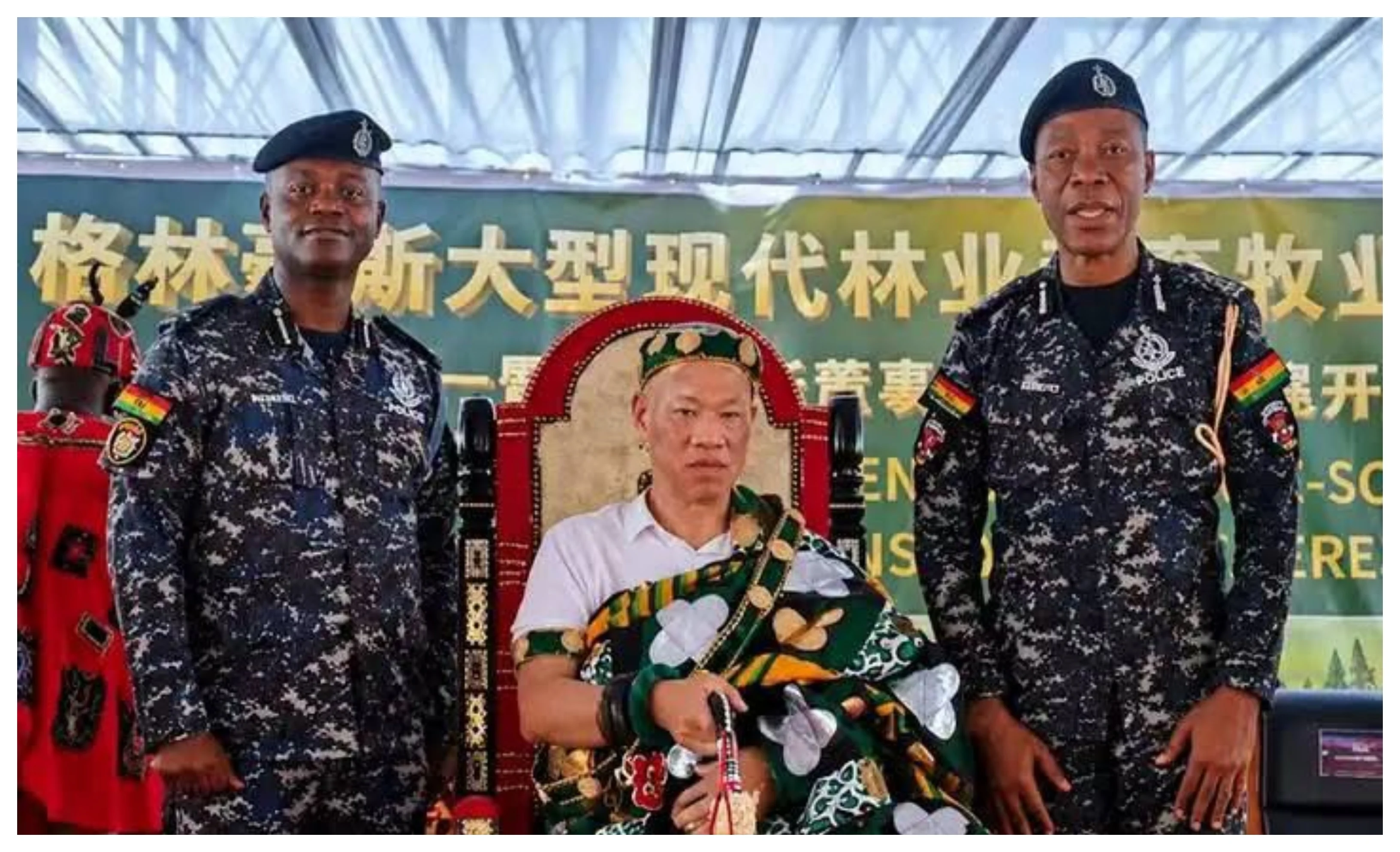
- Chinese businessman Zheng Xiangming received a traditional Ghanaian chieftaincy title on September 1 in recognition of his community investments
- Zheng was given the stool name Nene Asumahtsu I after developing a commercial park and an amusement project that created local jobs
- The enstoolment has divided opinion in Ghana, with some celebrating his contributions and others questioning whether a foreign national should hold a traditional title
Chinese businessman Zheng Xiangming was enstooled as a traditional chief in Ghana on September 1, becoming one of the few foreign nationals to receive such a distinction in the country's rich chieftaincy tradition.
The ceremony saw Zheng given the full stool name Hiowe Golaka Noryam Matse Nene Asumahtsu I, a title that carries significant cultural weight within the community that honoured him.
Why Zheng Earned the Chieftaincy Title
The decision to enstool Zheng was tied directly to the economic footprint he has built within the local community. His investments include a commercial park and an amusement project, both of which have created employment and stimulated business activity for residents in the area.
Traditional chieftaincy titles in Ghana are sometimes extended to individuals, including foreigners, whose contributions to a community are deemed worthy of recognition by the relevant traditional authority. The practice reflects the fluid relationship between economic development and cultural appreciation in many Ghanaian communities.
For Zheng, the recognition represents a deep integration into Ghanaian public life, going well beyond the role of a visiting investor. Being given a stool name places him within a lineage of custodians who carry responsibility for the welfare of those they serve.
A Decision That Has Divided Opinion
The enstoolment has not been without controversy. While a section of Ghanaians has welcomed the gesture, viewing it as a fitting tribute to a businessman whose projects have delivered tangible benefits, others have raised pointed questions about the appropriateness of conferring such a culturally significant title on a foreign national.
Critics argue that traditional stools carry historical and ancestral meaning that extends beyond economic contribution alone, and that opening them to foreign recipients could dilute their significance. Supporters, on the other hand, contend that honouring those who invest meaningfully in local communities is consistent with the spirit of Ghanaian hospitality and the broader purpose of chieftaincy as a tool for community development.
The story of Zheng Xiangming adds to a wider conversation across Africa about the role of Chinese investment on the continent and how host communities choose to recognise, or push back against, the presence of foreign business interests in their daily lives