
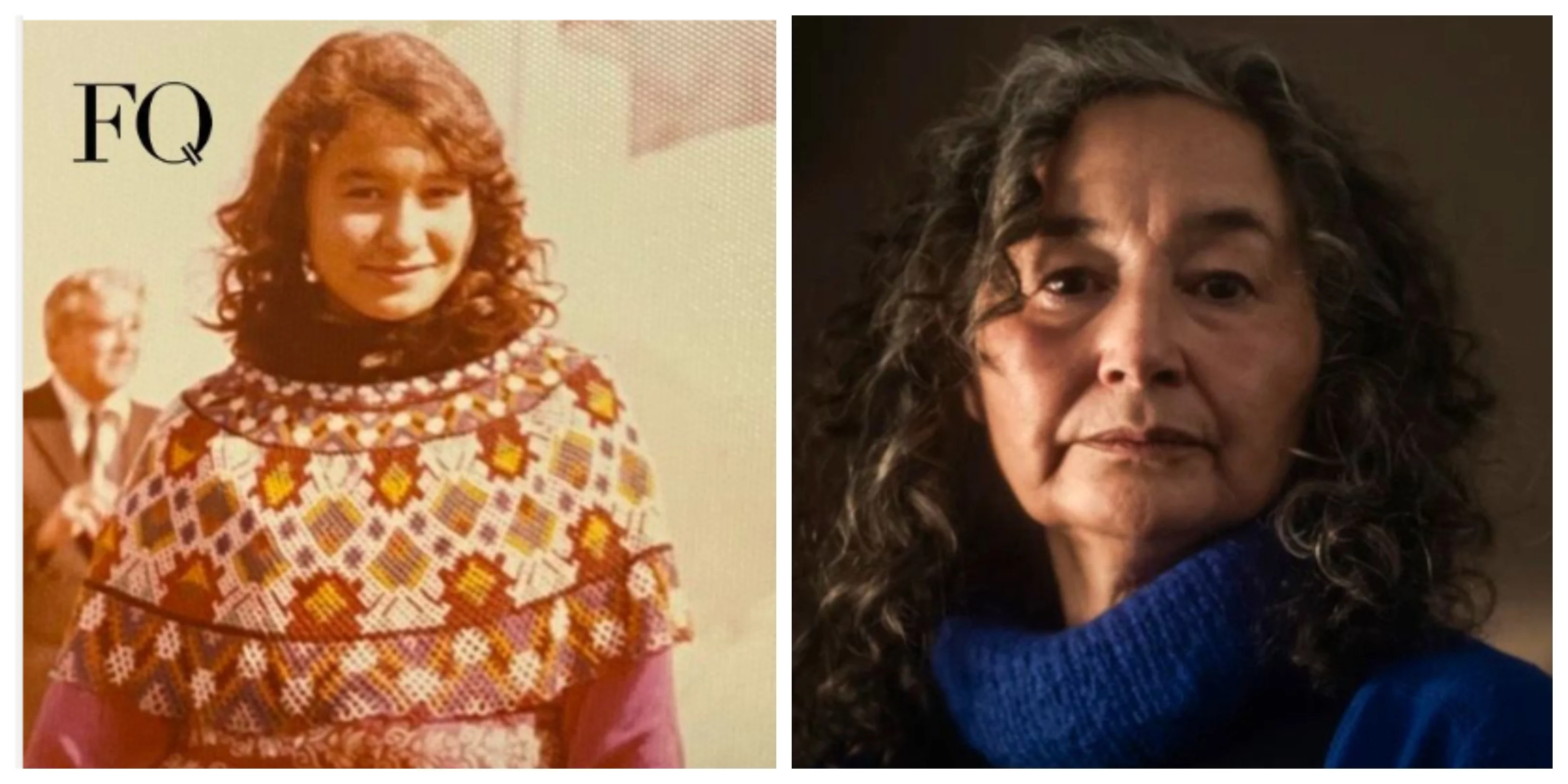
- For decades starting in the 1960s, Danish health authorities carried out a mass contraception campaign on Inuit women and girls in Greenland without their consent
- Some of the victims were as young as 12 years old when they were fitted with IUDs or given contraceptive injections under the so-called Coil Campaign
- More than 350 women eventually came forward with their stories, triggering investigations, lawsuits and a formal apology from Denmark in 2025
Thousands of Inuit women and girls in Greenland were subjected to forced contraception by Danish health authorities over several decades, a history that remained largely buried until survivors chose to speak.
The programme, which became known as the "Coil Campaign," began in the 1960s as an effort by Danish authorities to curb Greenland's rising birth rate. Approximately 4,500 women and girls were fitted with intrauterine devices, while others received contraceptive injections, all without their knowledge or consent. Some of the girls targeted were only 12 years old at the time.
A Campaign That Ran for Three Decades
The forced contraception did not stop quickly. Documented cases of nonconsensual procedures continued right through 1991, the year before Greenland assumed control of its own healthcare system in 1992. For much of this period, the women and girls had no idea what had been done to them or why.
It was only when survivors began coming forward that the true scale of what had happened became clear. More than 350 women ultimately shared their personal accounts, bringing a deeply painful chapter of colonial health policy into public view. Their testimonies prompted formal investigations, legal action and mounting pressure on the Danish government to take responsibility.
Denmark Issues Apology and Approves Compensation
Two separate investigations concluded that the practices constituted violations of the women's human rights. Denmark issued a formal apology in 2025, acknowledging the harm caused by the campaign.
In 2026, the Danish government approved financial compensation of 300,000 Danish kroner, equivalent to roughly $46,500, for each woman found eligible. The decision marked a significant moment of official accountability, though many observers noted that no financial settlement could undo the trauma the women experienced or restore what was taken from them.
The story, amplified in part by a post shared by advocacy page Female Quotient on September 9, drew renewed attention to the courage it took for survivors to come forward and the importance of ensuring this history is not forgotten.
Their willingness to speak transformed a concealed policy into a matter of documented public record, proving that even histories long kept in the shadows can eventually be brought into the light.