
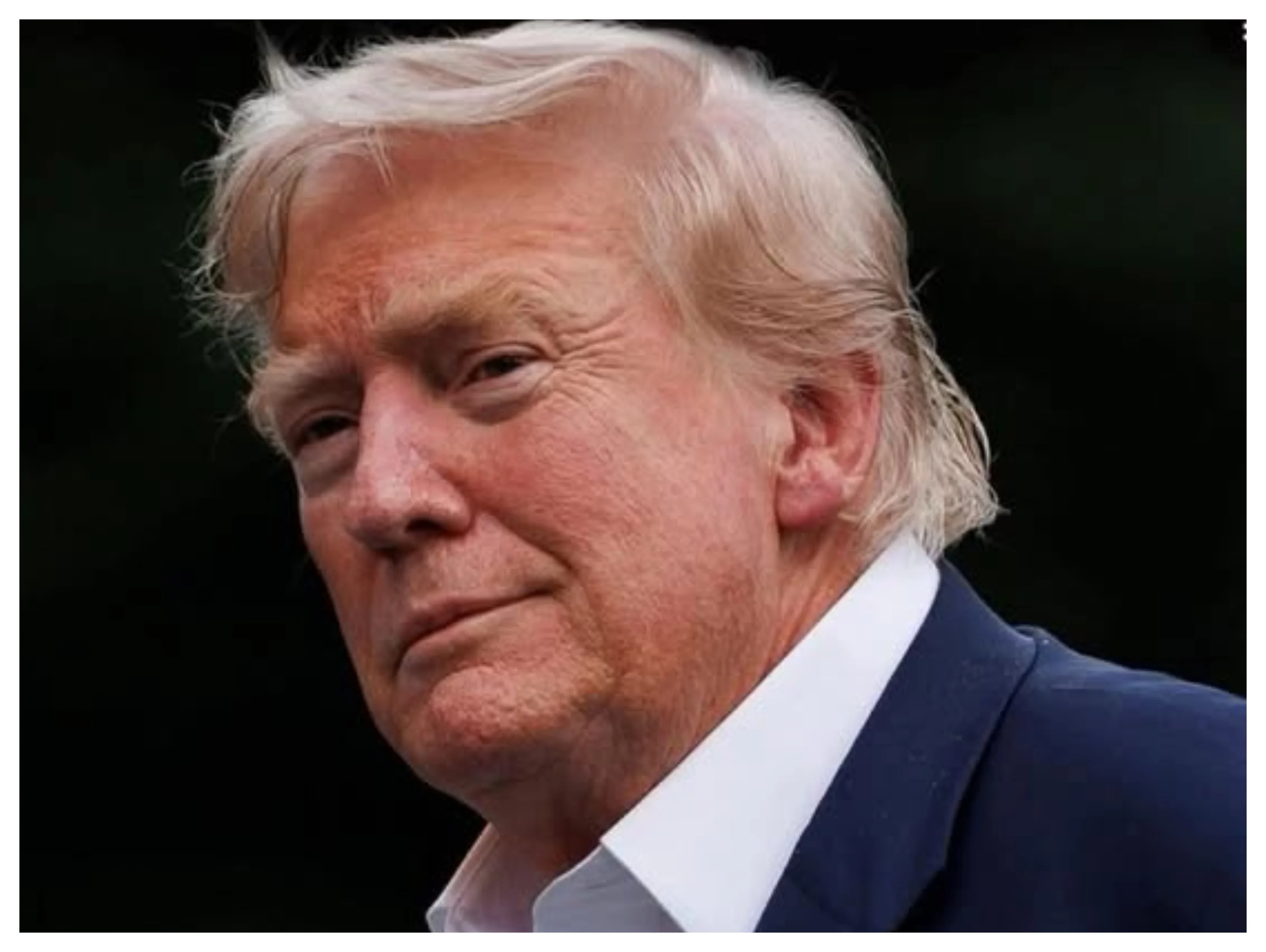
- Major US broadcasters ABC, CBS, CNN, Fox and NBC jointly announced they would not provide pool TV coverage of President Trump's events on September 23
- The media boycott came after Trump's administration reportedly banned reporters from CNN, NBC and Politico from the White House, accusing them of spreading fake news
- The networks released a joint statement arguing that no administration should restrict a news organisation over objections to its reporting
Five of America's most powerful television networks took the extraordinary step of refusing to cover President Donald Trump's official engagements on September 23, in a coordinated protest against what they described as the administration's interference with press freedom.
ABC, CBS, CNN, Fox and NBC issued a joint statement declaring that the public holds a vital interest in receiving accurate, independent information about its government, and that no administration should restrict a news organisation simply because it objects to how that organisation reports.
What Triggered the Media Boycott in US?
The standoff escalated after Trump's administration barred journalists from CNN, NBC's streaming outlet and Politico from entering the White House the previous Saturday. The president accused those outlets of publishing false information, a charge the networks strongly rejected.
In response, CNN, NBC and Politico announced plans to [sue the Trump administration](https://www.facebook.com/reel/930602426780218) over the ban, arguing the move represented an unconstitutional restriction on the press.
**What the Blackout Meant in Practice**
The practical consequences of the boycott were immediate and visible. Under normal circumstances, a camera crew would be stationed on the White House South Lawn, capturing the president as he walked past and fielded questions, often at considerable length.
From there, footage would typically follow Trump to Joint Base Andrews, where he would board Marine One before transferring to Air Force One for travel to New York City. All of that shared pool coverage ceased on the day of the protest.
No cameras were positioned on the White House lawn, at Joint Base Andrews or anywhere in New York. Pool footage, the shared video that all networks draw from during presidential movements, simply did not exist for those events.
Whether a unified media blackout of this kind had ever occurred previously in American presidential history remained unclear, though the collective nature of the action, spanning outlets that frequently compete and sometimes clash editorially, pointed to how seriously the broadcasters regarded the threat to their access.
[Watch the live broadcast footage of the White House blackout as it unfolded](https://www.facebook.com/reel/930602426780218)